-
 中文
中文
 EN
EN
- Hotline : 0086 13929201380
- E-mail : susan@zkhtdefoamer.com gdzhonglianbang@gmail.com
-

-
ZILIBON DEFOAMER CHEMICAL
中文
EN
Foam during CNC cutting is only the first defect. Many shops stop the overflow, then find a worse problem one process later: parts will not coat. A light film from the coolant or the wrong defoamer can cause fisheyes, pinholes, poor adhesion, or uneven gloss after painting.
If the part goes from machining to washing to coating, foam control has to protect the next step, not only the tank.
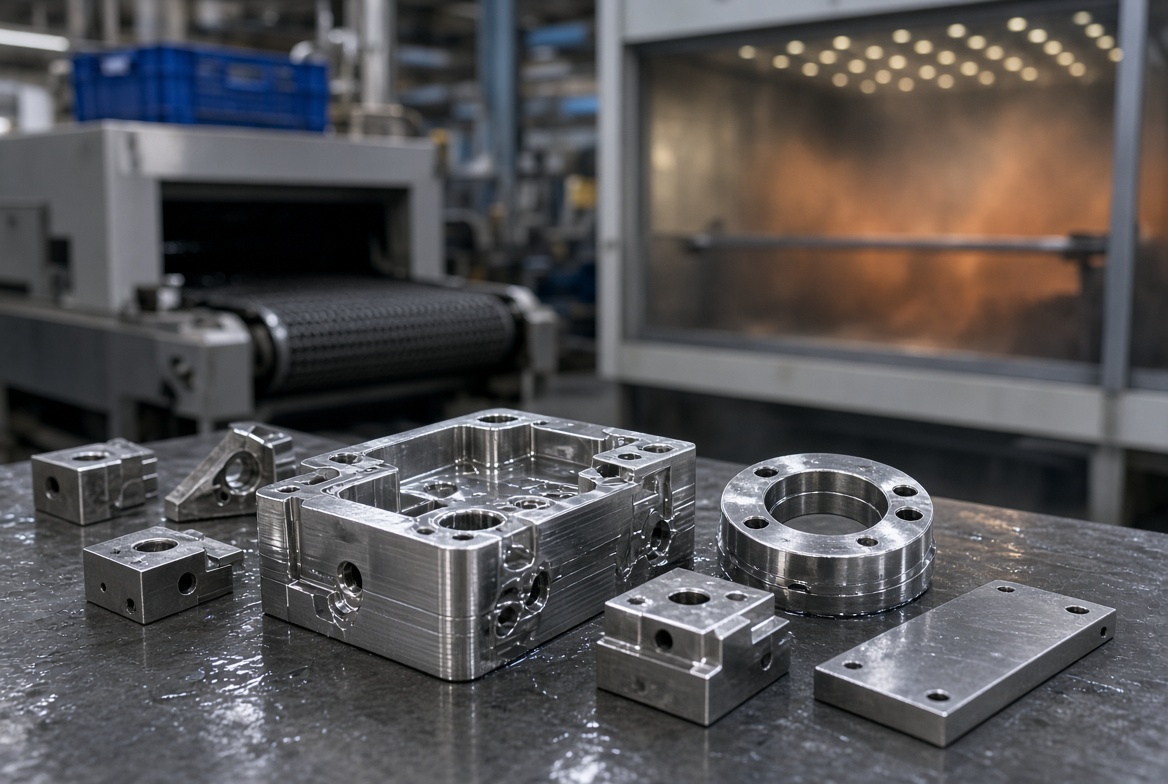
Machined parts waiting for cleaning and painting after CNC cutting
A machining fluid can look acceptable while it is cutting. The trouble shows up after the chip is gone. Residual oil, incompatible antifoam, or a product that floats on the tank can stay on edges, pockets, and fixture marks. Cleaning may remove bulk coolant and still leave a thin film.
Paint then tells the truth. The coating crawls, leaves craters, or fails adhesion in the same areas that stayed wet with fluid. Operators often blame the paint shop. The source is frequently the fluid system upstream.
Silicone is not automatically wrong, but it is a risk
Silicone defoamers are strong in many industrial systems. On a line that later paints, powders, or applies a high-appearance coating, they need extra care. A grade that knocks foam down quickly can also leave a surface that coatings refuse to wet.
That is why many fluid blenders and machine shops ask for a non-silicone direction when the part specification includes painting, bonding, or a visible finish. The point is not that silicone never works. The point is that the downstream process decides the safer chemistry.
For parts that will be painted, a metalworking fluid defoamer should:
Control foam without leaving a floating oil layer
Stay compatible with emulsified oils and not split the fluid
Wash off in the cleaning stage
Leave no film that causes fisheyes or poor adhesion
Keep rust protection and lubrication intact during the cut
Metal cleaning after machining has the same rule. A washer defoamer that stops foam but leaves residue simply moves the defect from the sump to the paint booth.
A typical line failure
A shop controls tank foam by adding more product every shift. Overflow stops. A week later, the coating line reports craters on machined faces. The paint is unchanged. The coolant system has changed. Extra defoamer, tramp oil, and incomplete washing are now on the part together.
The useful fix is to match foam control to the whole route: cutting fluid, washer, then paint. Ask whether the current product floats, whether it is intended for parts that will be coated, and whether the washer can remove it.
To recommend a direction, send a short process note:
After machining, do parts go to paint, powder, or bonding
Fluid type used on the CNC
Current defect: tank foam, oil film, washer foam, or paint craters
Cleaning method before coating
Zilibon customizes foam-control solutions for metalworking fluids and metal cleaning. If foam is under control but painted parts are failing, contact us for sample evaluation and technical support.