Why does foaming occur? Foaming in wastewater systems typically stems from three sources:
Chemical Factors: High concentrations of surfactants and organic pollutants.
Biological Factors: Overgrowth of filamentous bacteria in aeration stages.
Operational Factors: Mechanical turbulence or high-shear pumping.
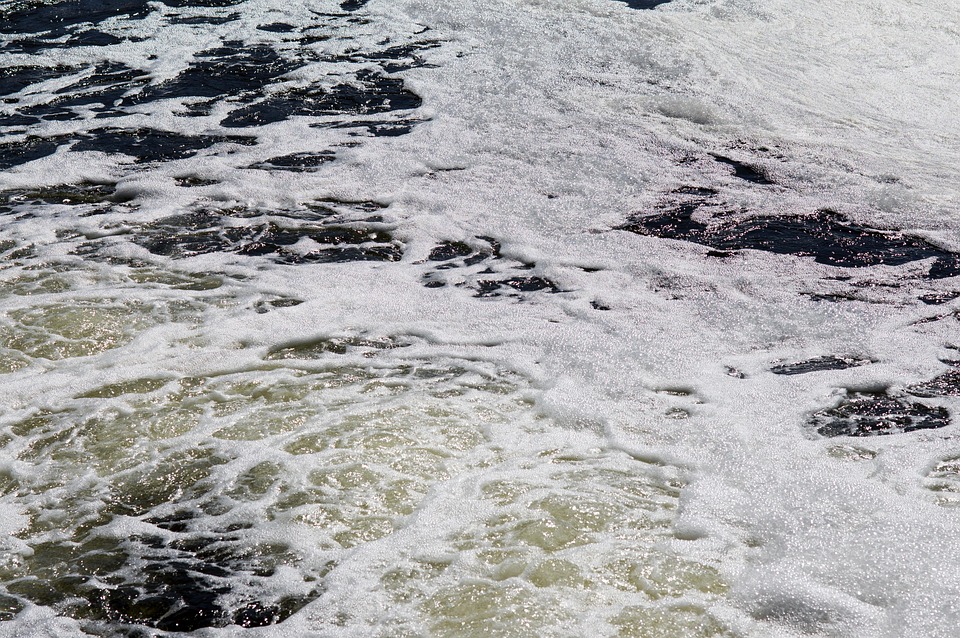
I. How foam affects treatment efficiency?
Excessive foam is more than an aesthetic issue; it hinders solid-liquid separation, sedimentation, and filtration. These obstructions prevent the effective removal of pollutants and can lead to system instability.
II. Our Solution:
Wastewater Treatment Defoamer
To ensure stable operations, we provide a specialized defoamer composed of modified silicone polyether and modified siloxane. It is specifically engineered to perform where standard defoamers fail.
Key Advantages:
High Efficiency: Rapid knockdown and long-term foam suppression with very low dosage.
Strong Resistance: Maintains stability in strong acid, strong alkali, and high-shear environments without demulsification. Process Safe: No adverse side effects. It is non-toxic, non-corrosive, and safe for biological treatment microbes.