-
 中文
中文
 EN
EN
- Hotline : 0086 13929201380
- E-mail : susan@zkhtdefoamer.com gdzhonglianbang@gmail.com
-

-
ZILIBON DEFOAMER CHEMICAL
中文
EN
In biological water treatment, microorganisms, including bacteria, fungi, algae, and protozoa, are used to oxidize and decompose harmful substances in water into harmless substances. Aeration is a crucial step in domestic water treatment, but a large amount of foam is often generated during the aeration stage. This foam cannot be eliminated naturally and requires chemical defoaming – adding a biological water treatment defoamer to the aeration tank.
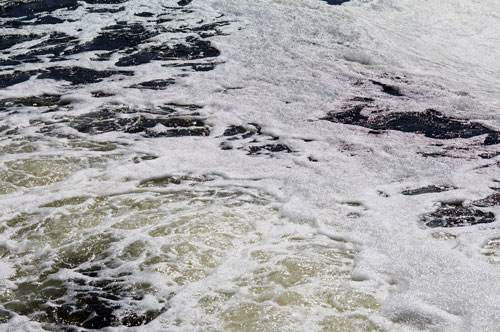
Wastewater contains abundant surfactants and other additives.
Aeration tank defoamers are special defoamers used to control foam formation on the gas-liquid surface in the aeration tank. They possess strong defoaming capabilities, effectively destroying and inhibiting foam formation. The defoaming ability of aeration tank defoamers is mainly manifested in the following aspects:Durability: Aeration tank defoamers typically have long durability, maintaining their defoaming effect in the aeration tank for extended periods. They continuously interact with the foam and maintain the protective layer formed on the liquid surface, preventing foam reformation.
High Temperature Resistance: The process conditions in aeration tanks are typically harsh, including high temperature and high humidity. Aeration tank defoamers usually possess good high temperature resistance, maintaining their defoaming ability even under high temperatures and are not easily affected by temperature-induced reduction in effectiveness.
Environmental Friendly: Most aeration tank defoamers are environmentally friendly and do not negatively impact water bodies and ecosystems. They are typically low in toxicity and readily biodegradable, meeting environmental protection requirements.